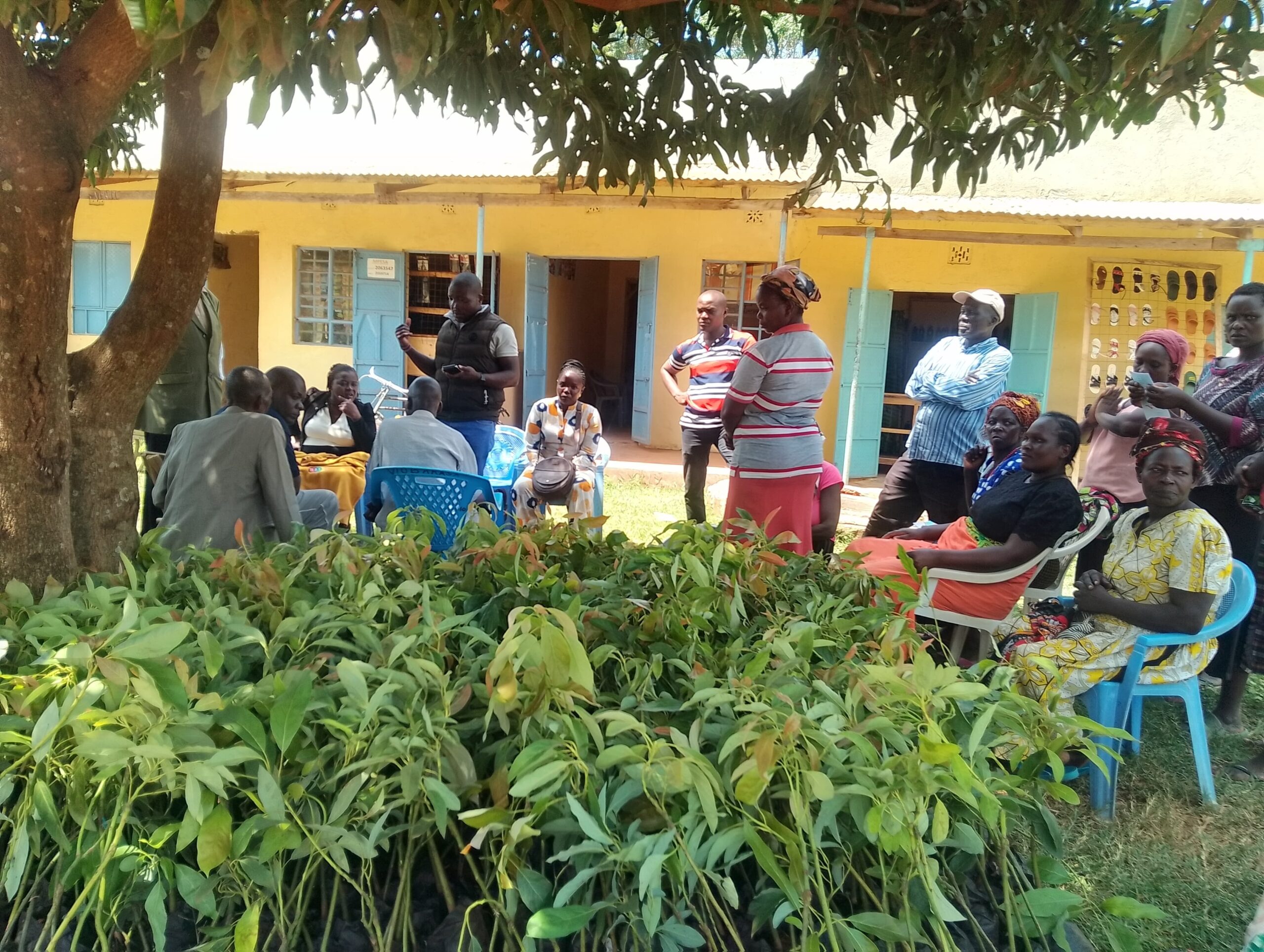
Rural Awareness Development Initiatives (RADI) was founded in the year 2000 by a group of visionary community members in Kimaeti, Bungoma County, Kenya. Recognizing the urgent need to address the deep-rooted socio-economic challenges facing small-scale farmers, the organization set out to mobilize local communities to actively participate in their own development. In 2001, RADI was officially registered as a Community-Based Organization (CBO) under the Ministry of Gender and Social Services, establishing a formal platform for grassroots development and advocacy.
Initially, RADI brought together 16 self-help groups, each with approximately 25 members, working collectively to improve agricultural productivity, social empowerment, and environmental conservation. The organization’s base at Kimaeti Market—20 kilometers from Bungoma Town on the Kenya–Uganda border offered a strategic location for outreach across the sub-county. While the original focus was on three locations Napara, Kimaeti, and Kibuke—RADI has since expanded its operations to all five locations within Kimaeti Sub-County, demonstrating its growing influence and the community’s trust in its mission.
Since its inception, RADI has prioritized empowering farmers through education, training, and the promotion of sustainable agriculture. Early achievements included leadership and management trainings at Mabanga Farmers Training Centre, the introduction of ox-ploughs to reduce labor intensity, animal health initiatives, and the establishment of income-generating programs such as table banking and beekeeping. Additionally, RADI took an active role in community empowerment through youth development, HIV/AIDS awareness, environmental protection, and gender equality campaigns.
Support from development partners such as GORTA (Ireland), the World Bank, and Bumula Constituency has enabled RADI to implement significant community-impacting projects—such as the construction of Siloba Primary School and the ongoing climate change initiative on HAAS avocado farming under the FLLORCA project.
Over two decades later, RADI remains committed to transforming subsistence farming into agribusiness, building food security, and improving the livelihoods of small-scale farmers through innovation, sustainability, and inclusivity.